Chasing the Northern Lights by Super Jeep in Iceland
A northern lights super jeep tour carries you past the glow of Reykjavik into the dark countryside where the aurora is actually visible. It also lets your guide move fast. When clouds roll over one valley, the group simply drives to clearer sky, which is the whole point of hunting the aurora on wheels instead of standing in one fixed spot and hoping for a break in the weather.
Iceland sits far enough north that it falls directly under the band of sky where auroras appear most often. So the hard part is rarely the aurora itself. It is finding a gap in the clouds under a properly dark sky, and that is exactly the problem a 4x4 is built to solve.
Why Does a Northern Lights Super Jeep Tour Reach Darker Skies?
City light is the aurora's biggest everyday enemy, and a super jeep exists to outrun it. Reykjavik's street lighting washes out faint green bands, so a guide drives you into rural darkness where even a Kp 2 or 3 display reads clearly. The high clearance and oversized tires let the vehicle leave paved roads and reach viewing spots ordinary cars cannot.
Darkness has two parts here. One is the absence of artificial light, which you solve by distance from town. The other is natural night length, and Iceland has plenty of that in winter. Near the winter solstice the country gets only four to five hours of daylight, leaving nearly 20 hours of darkness, according to the Reykjavik science center Perlan. The sun can rise around 11 a.m. and set by about 3:30 p.m., so a tour that leaves after dinner has the whole night to work with.
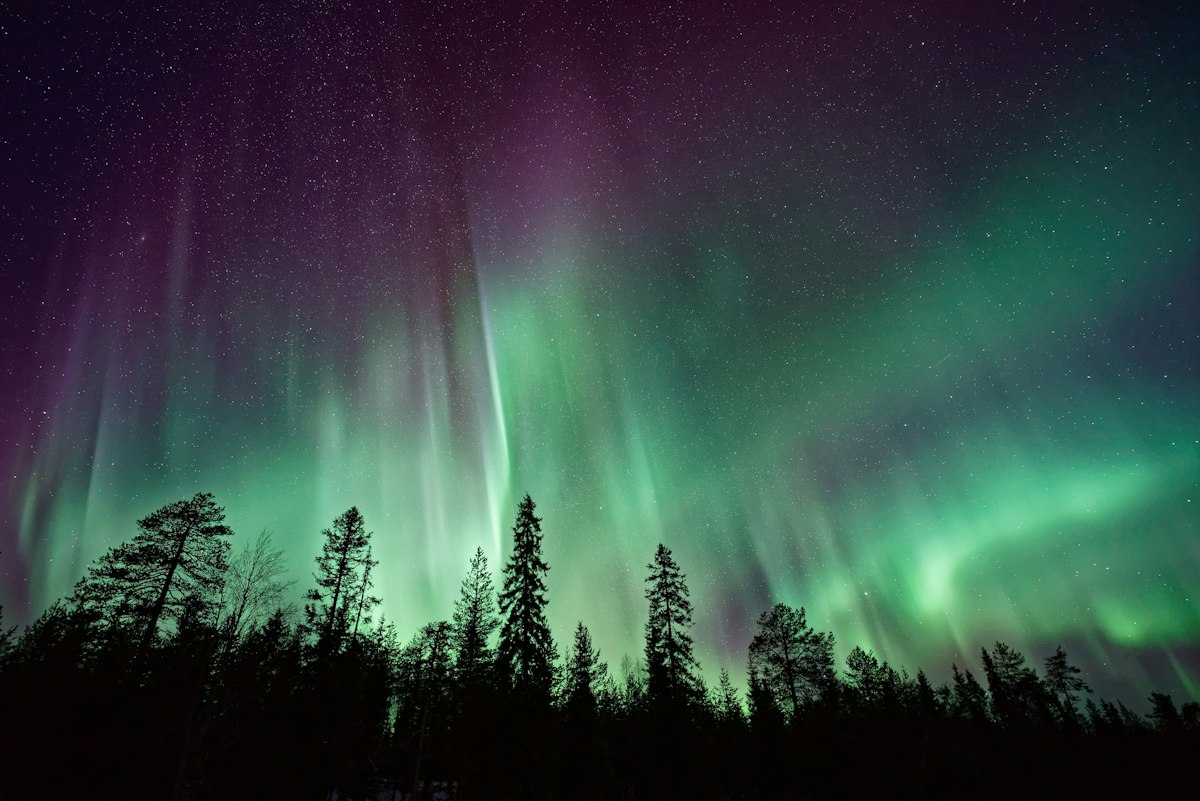
A super jeep turns that long night into an advantage. Instead of committing to one lookout, the guide keeps the group moving between dark spots, reading the sky as the hours pass. If you want a sense of how these modified vehicles handle Iceland off the main roads, the mechanics are the same ones 4x4sprinticetravel relies on for its daytime routes.
What Are the Best Months and Conditions for Aurora Viewing?
The core aurora season in Iceland runs from late September through March, with the darkest, longest nights falling in December and January. You need real darkness for the lights to stand out, and summer's midnight sun makes viewing impossible from roughly May to July. The shoulder months of October and March often pair decent darkness with milder, more drivable weather.
Solar activity sets the ceiling on how strong a display can get, and the timing right now is favorable. Solar Cycle 25 reached its peak in October 2024, and the agency notes that elevated activity can last for several years after the maximum (NOAA). That means the 2026 and 2027 winter seasons sit inside a strong stretch of the solar cycle, raising the odds on any given clear night.
Three conditions have to align for a good night: darkness, aurora activity, and clear sky. Darkness is a given in winter. Activity depends on the sun and is largely out of anyone's hands. Clear sky is the variable a guide can chase, and in Iceland cloud cover, not weak aurora, is usually what ends a quiet night.
How Do Guides Track Forecasts to Find Clear Skies?
Guides plan each outing around the official Icelandic Met Office aurora forecast, which rates expected activity on a scale of 0 to 9 and overlays a live cloud map (Icelandic Met Office). On that cloud map, green areas are cloudy and white areas are clear sky, so a guide is really hunting for white patches that sit under a dark, active sky.
Because Iceland lies under the auroral oval, a modest activity reading is often enough to produce a visible show. That shifts the real planning challenge onto weather. A guide will study where the clouds are thinnest, pick a region with white on the map, and set a route toward it before the group even leaves town.
The plan rarely survives the whole night unchanged. Cloud banks drift, and a spot that looked clear at 9 p.m. can close in by 10. This is where the super jeep earns its place, because the guide can reposition the group to a new clear window instead of waiting out a cloudy one. Checking the Met Office forecast yourself before you book helps set realistic expectations for your dates.
Reading a forecast is a skill built on repetition. Experienced Icelandic guides watch these maps nightly through the season, so they learn how a given weather system tends to move across the island and which back roads reach a clear pocket fastest.
What Should You Wear for a Cold Night Under the Lights?
Dress for standing still in the cold, not for walking, because aurora watching means long stretches outdoors without much movement. The right approach is three layers: a thermal base layer against the skin, a warm insulating mid layer such as fleece or down, and a windproof, waterproof outer shell. The wind off open Icelandic terrain makes a still night feel far colder than the thermometer reads.
Extremities lose heat first, so insulated waterproof boots, warm socks, a hat that covers the ears, and proper gloves are not optional. Many visitors underestimate how long they will stand on frozen ground. A thermos of something hot and a couple of hand warmers can be the difference between staying out for the big display and retreating to the jeep too early.
Our tip from guided winter trips: the people who stay warmest are the ones who overpack layers and keep a dry spare pair of gloves in the vehicle. Damp gloves from handling a tripod chill your hands fast.
For a full breakdown of clothing and camera gear, see the complete Iceland Super Jeep packing guide. Getting the layering right is what lets you enjoy the sky instead of counting the minutes until you warm up.
How Can You Pair Aurora Hunting With Daytime Adventures?
Aurora tours run at night, which leaves your daylight hours free for a separate 4x4 adventure, and combining the two gets far more out of a short Iceland trip. A daytime Super Jeep route can cover waterfalls, glaciers, and geothermal areas, then you rest and head back out after dark for the lights. The same class of vehicle serves both jobs.
The practical benefit is simple. Winter days are short, so a packed daytime itinerary fits neatly before the early sunset, and the aurora window opens exactly when daytime sightseeing ends. You are not wasting the limited light, and you are not sitting idle waiting for night.
Pairing trips also hedges against the weather. If clouds spoil one night's aurora hunt, a strong daytime adventure still makes the day worthwhile, and you can try the lights again the next evening. Operators like 4x4sprinticetravel build packages around this rhythm so a single booking covers both the daylight landscape and the night sky.
Planning Your Aurora Trip
A northern lights super jeep tour gives you the one thing a fixed viewpoint cannot: the freedom to drive toward the clear sky wherever it opens up. Add long winter darkness and a solar cycle still running hot after its 2024 peak, and the conditions for 2026 and 2027 are genuinely good.
Your concrete next step is to pick a date window between October and March, check the Icelandic Met Office aurora forecast for those nights, and book a tour that lets a local guide do the chasing for you. Pair it with a daytime 4x4 route and you turn a few short winter days into a full Iceland adventure.
Frequently asked questions
What is a northern lights super jeep tour?
It is a guided evening trip in a modified 4x4 vehicle that drives you away from Reykjavik's light pollution to dark rural skies. The high clearance and large tires let the guide reach remote viewing spots and change location quickly to stay under clear sky.
What is the best time for an aurora tour in Iceland?
October through March is the core aurora season because the nights are long and dark. Near the winter solstice Iceland gets only four to five hours of daylight (Perlan), which leaves most of the night for viewing.
How do I know if the northern lights will be visible?
Check the Icelandic Met Office aurora forecast, which combines a 0 to 9 activity scale with a cloud map where white means clear sky. Aurora activity and clear skies both need to line up, and guides track this all evening.
Will I definitely see the aurora on a tour?
No tour can guarantee it, because the aurora depends on solar activity and cloud cover. Solar Cycle 25 peaked in October 2024 and NOAA expects elevated activity for several years, so recent seasons have strong odds, but weather still decides any single night.
What should I wear for a night under the northern lights?
Wear thermal base layers, a warm mid layer, and a windproof waterproof outer shell, plus insulated boots, a hat, and gloves. You will stand still outdoors in the cold for long stretches, so pack more warmth than you think you need.